Wednesday, August 7, 2019

Minnie Moose F2


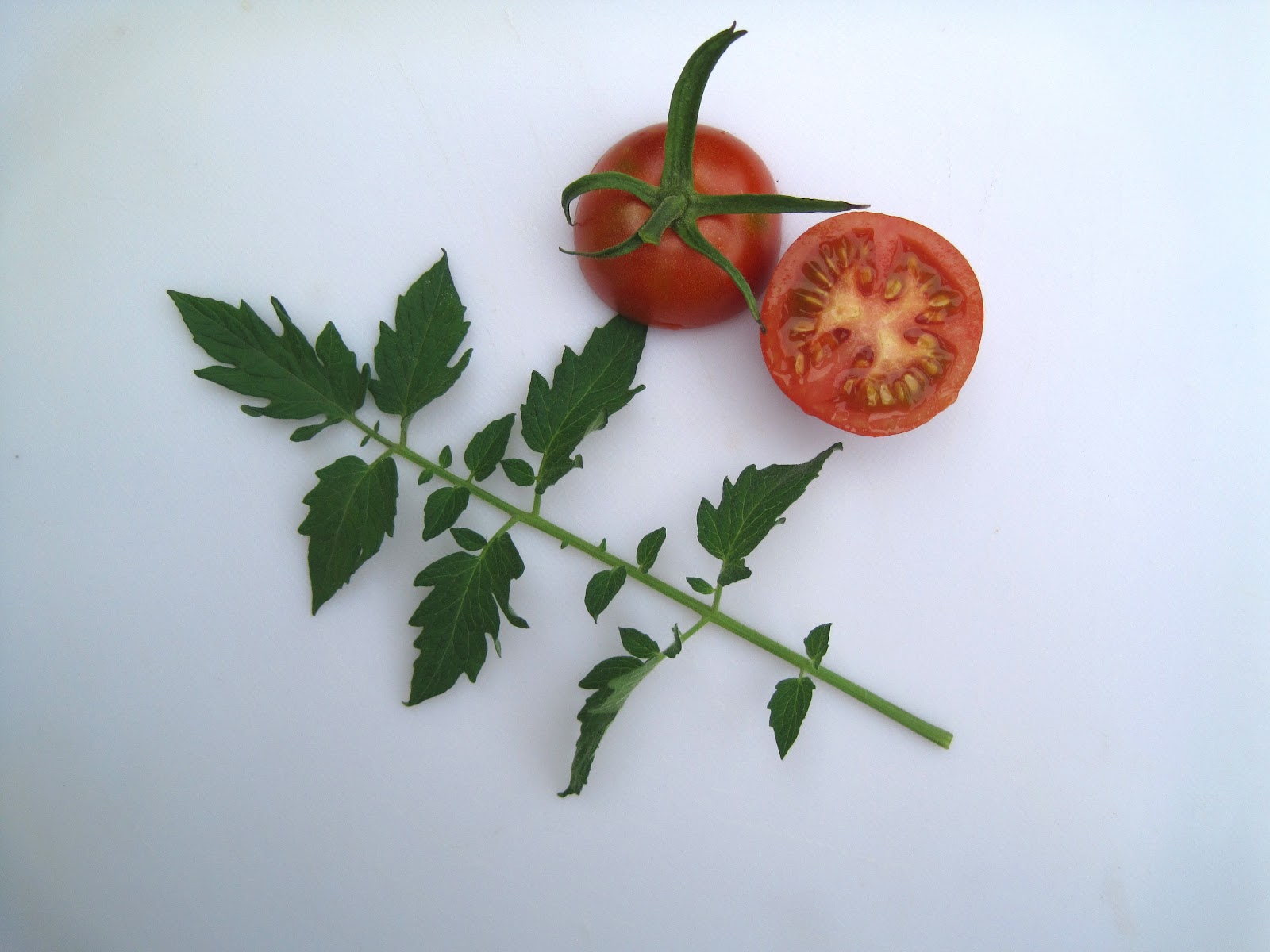
This is the F2 of Pink From Syracuse. Due to the passing of a family member, I have renamed it in honor of her family nickname, Minnie Moose. She was an avid gardening her entire life and loved home grown tomatoes. While bedridden, she was able to start one last crop of tomatoes in peat pods. This fruit came off of one of the plants she started.

There will be some work in the next four years stabilizing this line. In the process, I suspect I will find other tomatoes/lines also worth stabilizing. Out of eight plants, this was the only one to produce beefsteaks with the other seven plants producing saladette and roma-type tomatoes.

Taste was mostly balanced but slightly acidic which makes it pair well with cream cheese on a bagel.


This particular fruit was from a megabloom, hence the catfacing. Still sliced nicely though.


Tuesday, August 22, 2017

Fruits of Labor


Pink From Syracuse F1


From Syracuse, NY. This is an inadvertent cross between Black From Tula and an unknown pollinator. I should have known something was up when the plant was one of the largest in my garden and was producing a multitude of flower buds. Black From Tula has a modest growth habit and a fairly modest fruitset. Large regular leaf plants produce a heavy fruitset of medium round fruits with the occasional beefsteak thrown in. There is some persistent green on the shoulders, much like Black From Tula and it has the same soft texture. Flavor has just a hint of smokiness but is overall sweeter. A nice fruit for topping a bagel but I generally prefer meatier tomatoes. Will be interesting to see what happens at F2.


Monday, October 21, 2013

Demimonde F2

Bred in the United States from Angeles City Native and Speckled Roman. We see an interesting divergence at F2. Both varieties maintain a dimpled blossom end but other than that, we have two very different tomatoes.
       One is a cherry with a slightly acidic tomato flavor. Very productive, large plants with fairly stiff regular leaf foliage.
       The other variety is a paste tomato that has almost the exact same skin and shape as Speckled Roman but is considerably firmer and instead of a protrusion at the blossom end, has a recess. Foliage is also like Speckled Roman in that the plant looks perpetually sickly with wispy, drooping leaves. Flavor is ok but this is a very dry fruit and is more appropriate for cooking as a sauce or salsa.


Jabucar

From Serbia. Large, very robust regular-leaf plants. The main stalk was very thick and the plant would hardly require staking except for the fact that it bears a medium to heavy fruitset of large beefsteaks. I am a big fan of eastern European tomatoes and Jabucar (translated as "apple") is no exception. Healthy plants, great size and meaty with a nice balanced flavor and good texture. A choice for limited space gardens.


Wednesday, October 9, 2013

Limachino


     From Italy. Large, robust, regular leaf plants bear a medium to heavy fruitset of large, ribbed tomatoes. Fruit contain four or more partially empty locules. Flesh is soft and taste is balanced but mild. A good, all around tomato. Its relatively dry nature makes it a good choice for salsa and sauces but it has far more flavor than the average roma or paste tomato.


......and one more gratuitous tomato porn shot....


Vesuvio


From Italy. Medium sized regular leaf plants produce a medium fruitset of elongated paste tomatoes with two locules and some empty space inside. Taste is rather bland and flesh is somewhat mealy. Prone to blossom end rot. Probably a good choice for sauces and salsa where a dry tomato is needed and there are other flavors present. I would be more likely to grow again if I didn't lose half the fruit to blossom end rot.


Sunday, October 6, 2013

Tomate Garrafinha


     From Brazil. This variety produces medium sized, regular leafed plants that show moderate resistance to blight. Productivity is moderate to heavy and unlike most paste tomatoes I have grown, there was no blossom end rot. Fruits have two locules, are somewhat mealy and very acidic. I am somewhat at a loss as to how to use high acid tomatoes. While they are certainly tolerable, they don't particularly lend themselves to anything I do in the kitchen. They are pretty enough but to my tastes not really worth limited gardening space unless I was going to use them for a breeding project. 

Monday, September 30, 2013

Hungarian Cherry


   Perhaps this variety has a name but I am unaware of any. Apparently it is common in markets in Hungary. Growth habit is quite small and production is heavy, both nice attributes in a small garden. Most notable for the unusual shape, almost like a baby roma. Taste is somewhat bland and fruit are crunchy hard. Best used in a pico de gallo. Very interesting looking variety but below average taste. 

Sunday, September 29, 2013

Sex F1


   Tomatoes are sometimes referred to as love apples. There is in fact some evidence that they have aphrodisiac qualities. As far as produce goes, they certainly are sexy. And so after joining male and female flower parts together I decided to call this variety Sex. This is my F1 cross of Thai Pink Egg and Filipino #2. Both parent varieties come from challenging environments characterized by heat, humidity and various pests and tomato pathogens so even a bad summer in upstate New York is a walk in the park in comparison. In 2012, Thai Pink Egg and Filipino #2 were two of my healthiest plants and so it is not a surprise that their offspring shows no signs of blight as of late September. The fun thing about F1's is how evenly they split the difference between the parents. Fruit from Thai Pink Egg are somewhat egg shaped, coral-pink and smooth. Filipino #2 produce a dark mahogany, flattened and heavily ribbed fruit. Here the fruit show a deeper pink than Thai Pink Egg, the slightest suggestion of fasciation and are just oblate enough to sit upright when placed on a flat surface. Production was also somewhere between the bountiful TPE and the more moderately productive Filipino #2. Taste is mild with just a hint of acid; a shade more assertive than TPE.

Tuesday, September 17, 2013

Molokai


From Ghana. Small to medium sized plants produce a very heavy fruitset of round tomatoes that are slightly larger than a golf ball. Like some heavy producers, this variety suffers from an almost complete lack of flavor. Perhaps good for a breeding project or as a curiosity but not a variety I would otherwise recommend. 

Ruffled Gimli OP


This is the other variety I grew out from my cross of Hillbilly Potato Leaf and Large Red Cherry. Plants are similar in that they are large and vigorous with dark, regular leafed foliage. However, Ruffled Gimli produces larger fruit that are fasciated, flatter and have a bolder tomato flavor. Good gel to flesh ratio makes them great slicers for sandwiches or bagels. 

Gimli OP


After five seasons, I have finally stabilized Gimli, a cross between Hillbilly Potato Leaf and Large Red Cherry. Both parent varieties are very large plants and Gimli retains this trait. Plants are vigorous with a medium to heavy fruitset of small, slightly oblate fruit. Taste is sweet and mild with a good balance of gel to flesh. Well suited for salsa or salads. Below is the namesake of the variety. Like the tomato, he is small, compact and sweet.


Pangasinan Native

From the Philippines. As noted before, there are many Filipino tomatoes that have the word "native" somewhere in their name but this does not mean they are in any way similar. Some are sweet, some are very acidic, some are red, some pink, some smooth and some ruffled. I think most are landraces, partially stabilized varieties that developed on their own in certain areas without the influence of deliberate breeding programs. This is Pangasinan Native. Seeds were kindly contributed by Kai at http://bucaio.blogspot.com/search?q=kamatis


Large healthy plants produced a medium to heavy fruitset of ruffled, pink tomatoes. As described Kai's blog, the fruits are thin skinned, sweet and mild. They are very soft, making them impractical for sale on a large scale. Most likely a landrace as the two plants I grew out this year had some fairly marked differences.

Thursday, September 5, 2013

Tomate

From Peru. Large plants bear heavy fruitset of slightly elongated fruits with 2 partially filled locules. Mellow, sweet flavor. Most likely a marginally stabilized landrace from the part of the world where tomatoes were first cultivated. 

Ten Hung Tan Chieh


From China. Large, healthy, regular leaf plants produce a heavy fruitset of small to medium sized beefsteaks. Very nicely balanced tomato flavor with equal parts acid and sweetness. Good all purpose tomato. 

Pygmy


From Nigeria. Small, regular leaf plants bear a medium to heavy fruitset of medium sized, meaty beefsteaks. Very nice balanced flavor with a hint of pumpkin, reminiscent of Brandywine. Great for sandwiches or on a bagel with cream cheese.


Bola Chico

My first entry for the class of 2013. From Mexico. Modestly sized, regular-leaf plants bear a heavy fruitset of mostly round, golf ball sized fruit. More gel and seeds than flesh and flavor is somewhat acidic. Most likely a landrace or minimally developed cultivar.


Sunday, November 11, 2012

Siling Labuyo


    This is Siling Labuyo, or Filipino bird's eye pepper. It is one of the world's hotter peppers, slightly milder than a habañero.  Apparently it is becoming less common even in its native land, giving way to the larger and milder Thai peppers at markets across the Philippines, but dont take my word for it: http://www.marketmanila.com/archives/the-disappearing-siling-labuyo
    Seeds were found at a farmer's market in Tacloban in the province of Leyte. They are devilishly hot but the perfect addition to a plate of sisig. Masarap, diba? The leaves themselves are used in tinola, a Filipino soup dish. The fruits are fairly late to mature but I had several hundred on my one large plant which was far more than most people will be able to find use for. They can be used when green or after they fully ripen to a bright red; both are little packets of fire. I used them in stir fries and in salsa in place of jalapeños. I also ate more than a few fresh which is strangely addicting. The burn is intense but short lived and fortunately does not seem to survive my digestive process. Your results may vary. 
   As far as I can tell, this is the only commercial source of true siling labuyo. There are a lot of similar peppers but it seems that the actual Filipino variety is rather hard to come by. 

   My siling labuyo plant as of July 6th. Lucy seems very pleased with it as well. 

   The mature plant in late September. I brought her indoors so the fruit would have time to fully ripen for seeds. 


   And a few fruit on the plant. 


Saturday, September 8, 2012

Kabobi


From Iran. Small plants with a moderate fruitset of small to medium sized fruit. Very similar in taste to Round Lemon, also from Iran. It is interesting to note regional differences. While Filipino varieties have a tendency towards high acidity, all four of the Southwest Asian varieties I have grown have been decidedly sweet.  Kabobi is no exception and fans of sweet tomatoes will enjoy this variety.